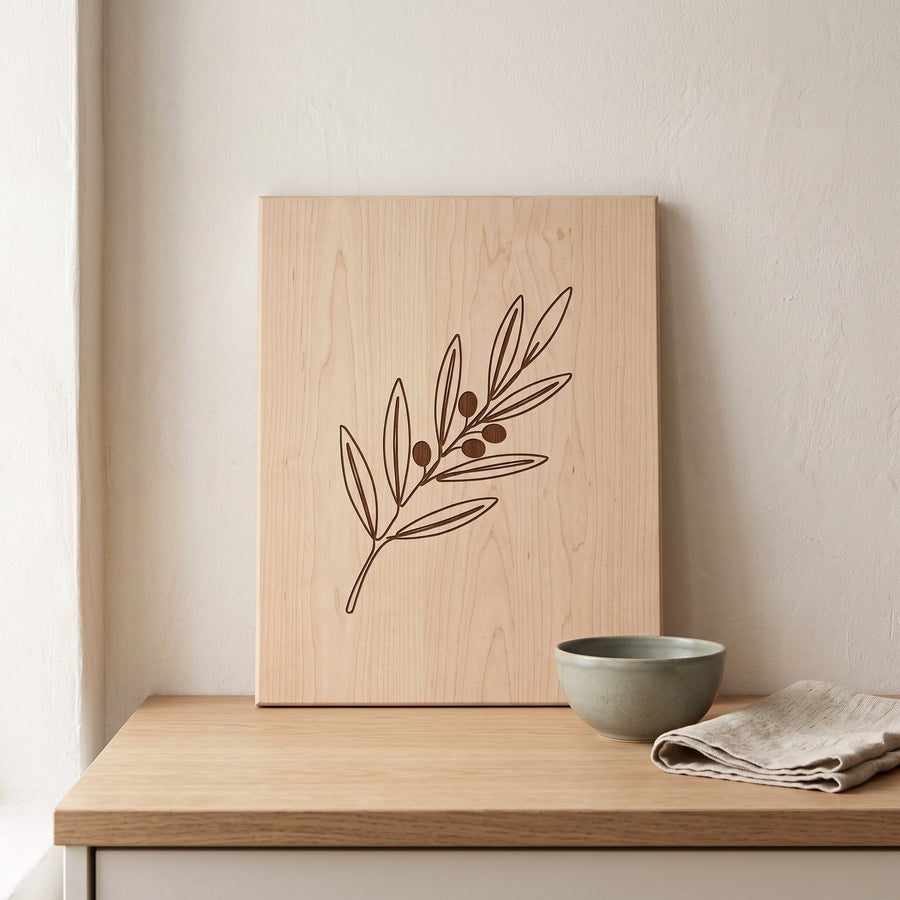
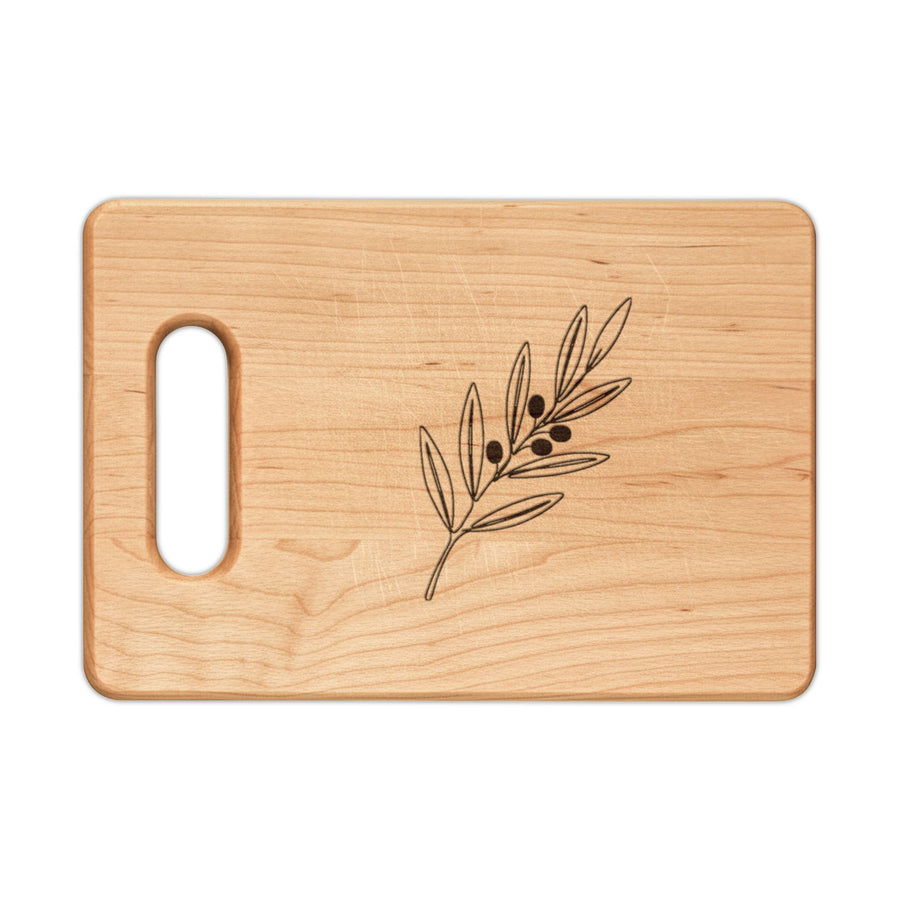
A wabi-sabi kitchen is one that looks used, cared for and honest: wooden boards darkened by oil and knives, stoneware bowls with uneven glazes, linen towels softened by washing and open shelves holding only what you reach for every day. It values natural materials and visible wear over glossy perfection. You can create the feel in any kitchen, new or old, by changing what you keep on show and how you treat it.
What a wabi-sabi kitchen looks like
Wabi-sabi is the Japanese appreciation of beauty in imperfect, impermanent and humble things. The kitchen may be the room where it makes most sense, because almost everything there is handled daily and marked by use. A scratched board, a faded tea towel and a cup with a small chip are not flaws to hide but evidence of meals made and shared.
Visually, that means warm wood, matte stone or plaster, unglazed or speckled ceramics and cloth in natural tones. Surfaces stay mostly clear. A few useful objects are left out because they are beautiful as well as useful, and everything else lives behind doors.
The feeling is closer to a farmhouse or a temple kitchen than a showroom. Nothing is precious, but everything is chosen. Our essay on honest materials explains why surfaces that show their age feel so restful.
Wooden boards: the heart of the counter
If you add one thing to make a kitchen feel wabi-sabi, make it a good wooden board. Leaned against the backsplash, it brings warmth, softens the hard lines of cabinets and appliances, and is ready the moment you need to chop or serve.
Over time a board darkens where it is handled, pales where it is scrubbed and collects a fine map of knife marks. That patina is exactly what wabi-sabi celebrates. Two or three boards of different sizes and woods, stacked or leaned together, look better than a single perfect one.
- Choose hardwoods. Oak, olive, walnut, beech and acacia are all durable and develop a rich surface with use.
- Oil them regularly. A food-safe mineral oil or board wax every few weeks keeps the wood from drying and cracking. Our guide to wooden board care covers the routine.
- Never soak them. Wash quickly with warm soapy water, dry upright and let air reach both sides.
Stoneware bowls and everyday ceramics
Handmade or hand-finished ceramics are the second pillar of a wabi-sabi kitchen. Look for stoneware with a matte or speckled glaze, a slightly irregular rim and a weight that feels good in the hand. Bowls in two or three related glazes, stacked on an open shelf, look collected rather than matched.
There is no need to buy a full set at once. Many people build up a cupboard of mismatched pieces over years, each one picked up on a trip or a market stall. Our guide to wabi-sabi ceramics describes the glazes and shapes to look for, and the stoneware will only look better as small marks and crazing appear.
When a favourite bowl chips, consider keeping it. A repaired crack, whether mended with gold in the kintsugi tradition or simply glued and used for dry goods, is part of the object's story.
Linen towels and cloth
Kitchen textiles are small but they make a big difference. Linen and cotton tea towels in oat, charcoal, indigo or rust, hung from a hook or folded over the oven rail, soften a room of hard surfaces. They dry faster than heavy terry, and they look better the more they are washed.
Avoid the temptation to buy towels to match the cabinets. Two or three in related tones, one with a quiet print, look easy and lived-in. Add cloth napkins, used daily and never ironed, and an apron hung on a peg by the door. Our piece on Japandi tea towels covers fabrics and sizes in more detail.
Open shelves without the clutter
Open shelving is a natural fit for a wabi-sabi kitchen, but it only works if you are strict about what goes on it. Treat open shelves as working storage for the things you use daily, not display space for everything you own.
- Keep only everyday pieces. The bowls, plates and cups you use most, a jar of wooden spoons, perhaps a pot of herbs. Anything used less than weekly goes in a cupboard.
- Stack by type. Bowls with bowls, plates with plates, cups in a row. Stacks look calm and are easy to keep tidy.
- Leave gaps. Aim for a third of the shelf to be empty. The space stops the shelf reading as clutter and lets the shapes of the ceramics show.
- Add one living thing. A small plant, a branch in a jar or a bowl of seasonal fruit keeps the shelf feeling alive.
A tray is the secret weapon for the counter. Gather oil, salt and pepper onto one wooden or stoneware tray and the surface instantly looks calmer. We make the full case in why your kitchen needs a tray.
Embracing the used look
The hardest part of a wabi-sabi kitchen is not buying anything; it is letting go of the idea that a kitchen should look new. Stains in an old pot, a worn spot on a wooden spoon, a stoneware cup that has lost a little glaze at the rim: these are signs of a kitchen that is cooked in.
That does not mean neglect. Wabi-sabi objects are cleaned, oiled, mended and respected. The difference is that wear is accepted rather than hidden. Keep things clean and in good repair, and let the rest happen.
It is also a slower way to shop. Buy one good thing at a time, use it for a while, and only replace what genuinely no longer works. A kitchen built this way ends up full of objects with memories attached, which is something no showroom can offer. For a gentle routine to start with, our Sunday morning kitchen piece is a good companion.
Bringing it together
A wabi-sabi kitchen is built from a few honest materials used every day: wood, stoneware and cloth, kept clean and allowed to age. Clear the counters, lean a board against the wall, stack your favourite bowls on an open shelf and hang a linen towel where you can reach it.
Then cook. The more the kitchen is used, the more it will look the part.
Worth considering
A few well-made pieces we would happily put next to our own. These are Amazon links; as an Amazon Associate we earn from qualifying purchases, at no cost to you.
- AmorArc reactive-glaze stoneware dinnerware, 18-piece set — A reactive glaze means no two pieces come out quite alike, so the set reads as gathered rather than matched.
- Stoneware utensil crock with beech utensils — Wooden spoons that will darken with use, kept in a crock by the hob rather than in a drawer.
- Light-wood floating shelves, set of three (16″) — Simple open shelves for the bowls and jars you reach for every day, and nothing else.
Frequently asked questions
How do I make a modern kitchen feel wabi-sabi?
Add warmth and texture without remodelling. Lean wooden boards on the counter, swap glossy accessories for matte stoneware, hang linen tea towels and clear everything else off the worktops. These small changes soften even a high-gloss kitchen.
Are open shelves practical in a wabi-sabi kitchen?
Yes, if they hold only things you use often. Everyday dishes get washed regularly, so dust is not a problem. Keep less-used items in closed cupboards and leave some space on each shelf.
What colours suit a wabi-sabi kitchen?
Warm, earthy neutrals work best: plaster white, clay, sand, warm grey and deep charcoal, with natural wood tones. Avoid bright whites and high-gloss colours, which feel clinical next to wood and stoneware.