Japandi and mid-century modern can mix very well, because they share much of the same DNA: honest wood, clean lines, furniture raised on slim legs and a dislike of ornament. Where they differ is in mood. Mid-century modern is warmer, bolder and more graphic; Japandi is quieter, paler and more restrained. Get the balance right, with Japandi as the calm base and mid-century pieces as the accents, and the room gains both character and peace.
Japandi vs mid-century modern: the short version
Mid-century modern describes design from roughly the mid-1940s to the late 1960s, shaped by American and Scandinavian designers. It is known for warm teak and walnut, tapered legs, organic curves, sculptural chairs and confident colour such as mustard, burnt orange and olive.
Japandi is a more recent blend of Scandinavian simplicity and Japanese restraint. It favours pale or very dark woods, low furniture, muted earth tones, handmade ceramics, linen and plenty of empty space. If you are new to the style, our introduction to Japandi 101 covers the essentials.
The shared DNA
Both styles grew partly from the same source. Danish and Swedish designers of the mid-century period were influenced by Japanese craft, joinery and proportion, and that influence runs back through Japandi today. The overlap is easy to see.
- Wood as the main material. Both put solid timber and visible grain at the centre of the room.
- Function first. Neither style tolerates decoration for its own sake. Every piece is meant to be used.
- Raised, light furniture. Slim legs that lift sofas and sideboards off the floor make both styles feel airy.
- Craft and joinery. Visible joints, careful edges and quality making are valued in both.
Our comparison of Japandi vs Scandinavian explains the Nordic half of that shared history in more detail.
Where they clash
The differences are mainly of tone, colour and volume. These are the points to manage when you mix them.
Colour
Mid-century palettes can be loud: saturated orange, mustard, teal and avocado. Japandi palettes are muted: stone, oat, charcoal, sage and clay. Put a bright orange sofa in a Japandi room and it will dominate everything else.
Wood tone
Classic mid-century teak and walnut are warm and red-brown. Japandi tends towards pale oak and ash, or very dark stained and charred woods. Too many different tones in one room looks restless. Our two woods rule keeps this under control.
Shape and pattern
Mid-century loves graphic patterns, starbursts, atomic prints and sculptural lighting. Japandi prefers organic shapes, soft texture and almost no pattern. Busy geometric prints fight with the calm of a Japandi room.
Density
Mid-century interiors were often fuller: bar carts, collections on display, wall units filled with books and objects. Japandi depends on empty space. A mixed room needs the Japandi discipline of leaving things out.
A mixed room recipe
The most successful mixed rooms are mostly Japandi, with mid-century pieces chosen as statements. Follow these steps for a living room that blends both.
- Set a Japandi base. Warm white or soft grey walls, a pale wooden or neutral floor, a large plain rug and linen-look curtains. See our sibling guide to Japandi living room colours for wall shades.
- Choose one mid-century hero piece. A walnut sideboard, a classic lounge chair or a teak coffee table. One or two such pieces is enough.
- Pick a low, simple sofa. A sofa with slim legs and clean arms suits both styles. Keep the upholstery in oat, stone or charcoal. Our sibling Japandi sofa guide has more on shapes and fabrics.
- Bridge the woods. If your hero piece is walnut, repeat a similar warm tone once more, perhaps in a picture frame or a side table, and keep everything else pale.
- Soften the colour. Borrow the mid-century palette in muted form: olive instead of avocado, rust instead of orange, ochre instead of mustard. Use it on cushions, a throw or a single print.
- Light with paper and brass. A paper lantern pendant sits between both worlds, and a slim brass floor lamp adds mid-century polish without excess.
Textiles and art that bridge both
Textiles and art do most of the work in a mixed room, because they are easy to change and carry colour gently.
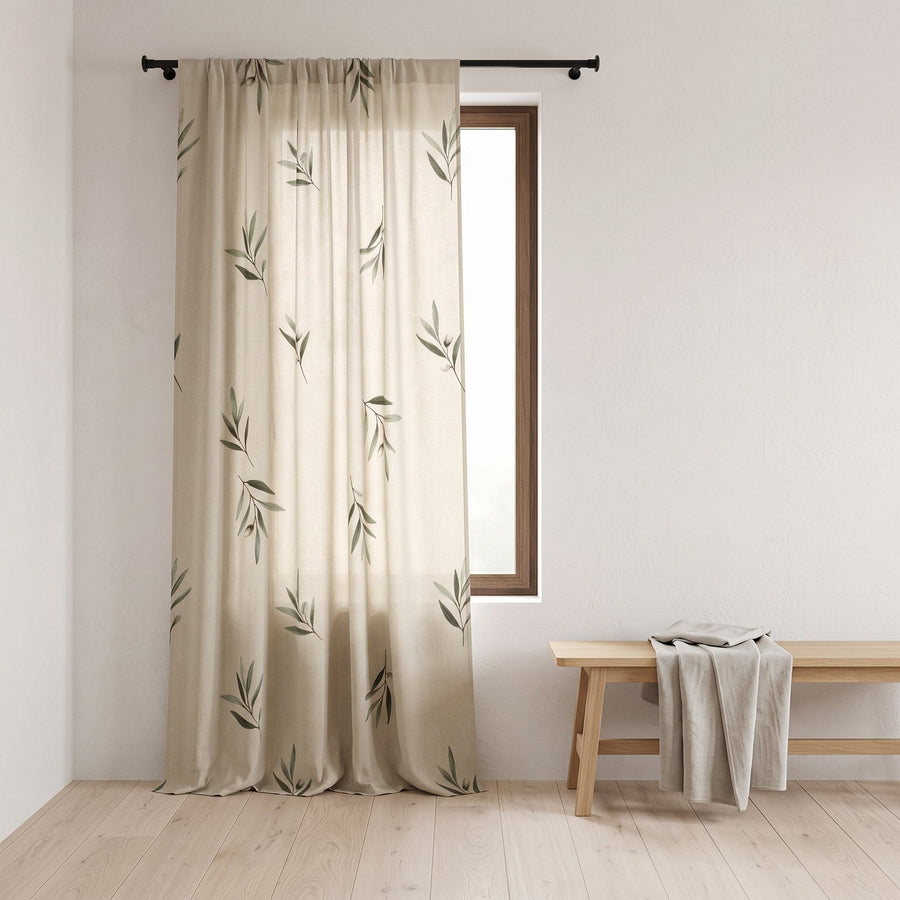
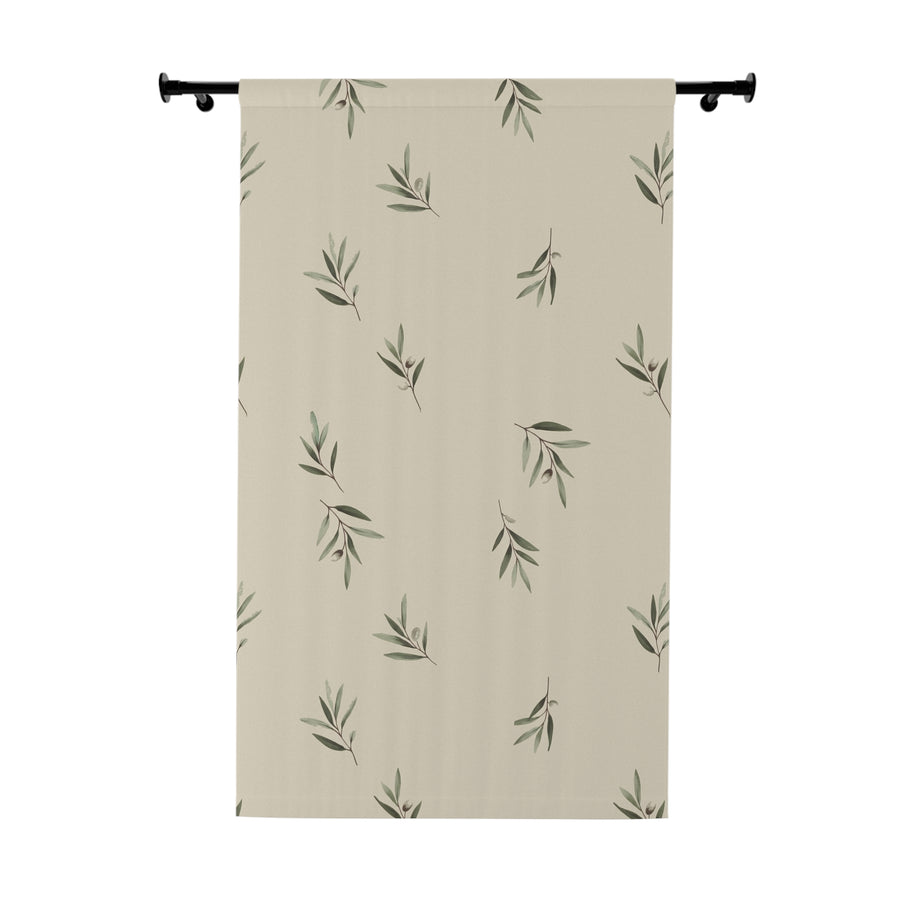
- Curtains and rugs: keep them plain or very softly patterned in natural tones. They form the calm field that both styles sit on.
- Cushions: mix linen-look plains with one or two small botanical prints. Choose colours drawn from the wood in the room: rust for walnut, sage or oat for oak.
- Art: ink drawings, single botanicals and minimal landscapes suit both styles. Frame them in walnut to nod to mid-century, or in pale oak to stay with Japandi. Our sibling guide comparing wabi-sabi and Japandi shows how imperfect, handmade art adds depth.
Finding the balance
The Japandi vs mid-century modern question has a happy answer: they mix well, because they come from related traditions of honest wood and useful design. The trick is to decide which style leads. Let Japandi set the calm base of pale walls, natural textiles and empty space, and let a few well-chosen mid-century pieces bring warmth and character.
It also helps to let the room evolve. Live with the Japandi base for a few weeks before adding the mid-century hero piece, then add accents one at a time. You will see quickly whether a cushion or a lamp is helping the balance or tipping it, and it is far easier to remove one thing than to edit a room that arrived all at once.
Keep colour softened, wood tones limited and surfaces clear, and the room will feel both collected and calm. For more on building the base, see our journal guide to the Japandi living room.
Worth considering
A few well-made pieces we would happily put next to our own. These are Amazon links; as an Amazon Associate we earn from qualifying purchases, at no cost to you.
- Fluted walnut-tone sideboard — A mid-century hero piece in warm walnut tones, set against a pale Japandi base.
- Lexicon solid-walnut accent chair — Slim legs and honest walnut, a chair that sits comfortably in both traditions.
- Collapsible rice-paper lantern pendant, cream — The paper lantern that sits between both worlds, exactly as the mixed-room recipe suggests.
Frequently asked questions
Is Japandi the same as mid-century modern?
No. They share a love of wood, clean lines and function, but mid-century modern is warmer, bolder and more graphic, while Japandi is paler, quieter and more restrained. Japandi also draws more directly on Japanese craft and empty space.
Can you put a walnut sideboard in a Japandi room?
Yes. A walnut sideboard makes an excellent focal piece. Keep the walls and floor pale, repeat the walnut tone only once more in the room, and keep the top of the sideboard nearly bare, with one lamp, one ceramic and perhaps one framed print.
What colours mix Japandi and mid-century modern?
Use a Japandi base of warm white, oat, stone and charcoal, then add softened mid-century accents such as olive, rust, ochre and deep teal. Keep accents to textiles, art and one or two objects so they read as deliberate.